Introduction
Skin grafting is a medical procedure that helps repair or replace damaged skin. Doctors often use skin grafting when a person has lost skin due to burns, injuries, or surgery. Because skin is the body’s largest organ, keeping it healthy is important. In this blog, you will learn what skin grafting is, when it is needed, the types of skin grafts, and how to care for yourself after the procedure. We will also cover possible risks and tips for keeping your skin healthy.
What is Skin Grafting?
Skin grafting is a surgery where doctors take healthy skin from one part of the body and place it on an area with damaged or missing skin. This new skin helps cover wounds, protect the body, and support healing. Usually, the healthy skin comes from the same person, but sometimes it may come from a donor.
When is Skin Grafting Needed?
Doctors may suggest skin grafting for several reasons. For example, it is often used when:
Sometimes, skin grafting is the best way to help wounds heal faster and lower the risk of infection.
Types of Skin Grafts
There are different types of skin grafts. Each type is chosen based on the wound and the person’s needs. The main types include:
Doctors will choose the best type for each person. They consider the wound’s size, location, and how well the person can heal.
The Skin Grafting Procedure
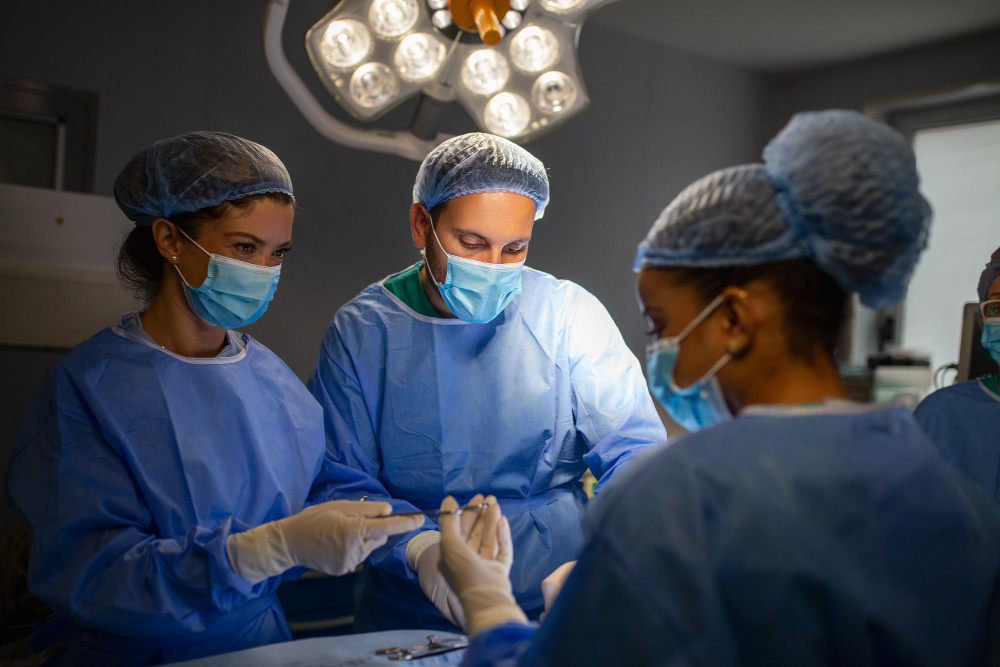
First, doctors clean the wound and prepare the area. Next, they take healthy skin from a donor site, often the thigh or buttocks. Then, they place the skin on the wound and secure it with stitches or special dressings. Sometimes, doctors use a machine to help the graft stick better. The surgery usually takes one to two hours. Most people go home the same day, but some may stay in the hospital for a short time.
Recovery and Aftercare Tips
After skin graft surgery, proper care is important for healing. Here are some helpful tips:
With good care, most people heal well after skin grafting. However, healing times can vary. Some people may need physical therapy to help with movement if the graft is near a joint.
Risks and Possible Complications
Like any surgery, skin grafting has some risks. Although most people recover well, possible problems include:
If you notice any unusual pain, swelling, or discharge, contact your doctor right away. Early treatment can prevent more serious problems.
Prevention and Skin Health Tips
While not all injuries can be avoided, you can take steps to protect your skin. For example:
Healthy habits can help you avoid skin injuries and may reduce the need for skin grafting in the future.
Conclusion
Skin grafting is a safe and effective way to treat damaged skin. With the right care, most people recover well and return to their normal lives. If you have questions or need advice about skin grafting, consult a dermatologist or healthcare provider for personalized guidance.