Introduction
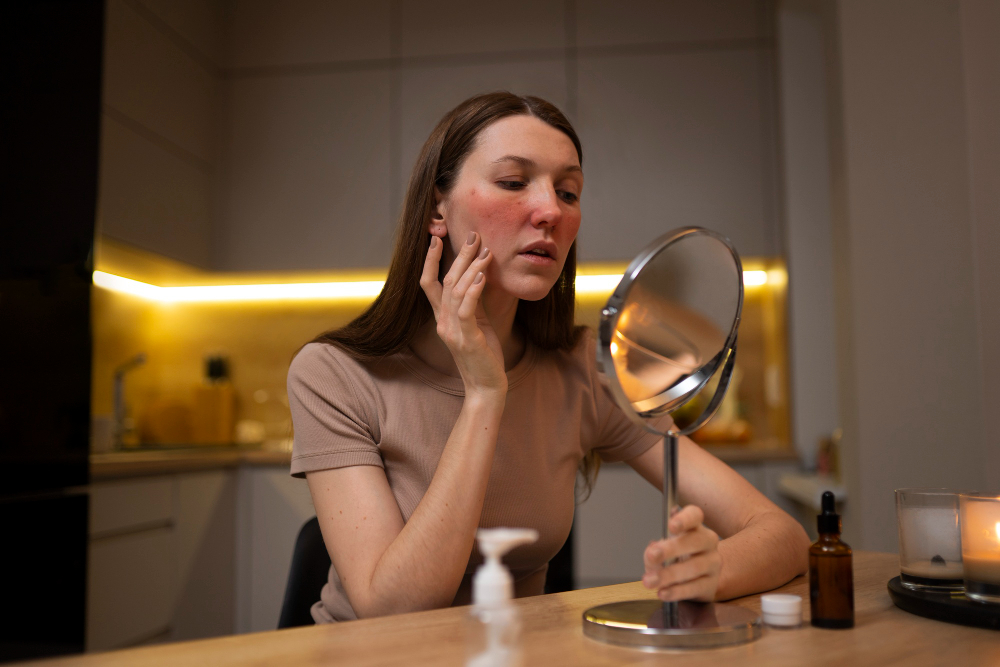
Rosacea is a common skin condition that causes redness and visible blood vessels on the face. Many people want to know about rosacea treatment options and how to manage flare-ups. Understanding your choices can help you reduce rosacea redness and feel more confident. In this blog, you will learn what rosacea is, its symptoms, causes, and the best ways to treat and prevent flare-ups.
What is Rosacea?
Rosacea is a long-term skin problem. It often affects the cheeks, nose, chin, and forehead. While anyone can get rosacea, it is more common in adults with fair skin. Sometimes, rosacea can look like acne, but it is a different condition. Although there is no cure, many treatments can help control symptoms. According to the American Academy of Dermatology, early treatment can make a big difference.
Common Symptoms of Rosacea
Rosacea symptoms can vary from person to person. However, some signs are more common than others. Knowing these can help you spot rosacea early and seek help.
Sometimes, symptoms can get worse for a short time. These are called flare-ups.
Causes and Triggers of Flare-ups
Doctors do not know the exact cause of rosacea. Still, several factors can trigger or worsen symptoms. By learning about these triggers, you can help prevent flare-ups.
For many people, keeping a diary helps find personal triggers. Once you know your triggers, you can try to avoid them.
Rosacea Treatment Options
There are many ways to treat rosacea. The right choice depends on your symptoms and skin type. Let’s look at the most common rosacea treatment options.
Topical Treatments
Oral Medications
Laser and Light Therapy
Lifestyle Approaches
Each person’s skin is different. Therefore, it is important to talk to your doctor about how to treat rosacea in your case.
How to Manage and Prevent Flare-ups
Managing rosacea means more than just using medicine. Daily habits can make a big difference. Here are some tips for rosacea flare-up prevention:
With these steps, you can help reduce rosacea redness and keep your skin calm.
When to See a Dermatologist
If you notice new redness, bumps, or eye problems, it is time to see a dermatologist. Also, if your current treatment is not working, a skin doctor can suggest new options. Early care can prevent symptoms from getting worse. According to the American Academy of Dermatology, regular check-ups help keep rosacea under control.
Conclusion
Rosacea can be managed with the right treatment and daily care. By learning about rosacea treatment options and how to prevent flare-ups, you can improve your skin’s health. For the best results, consult a dermatologist for personalized rosacea treatment and advice.