Introduction
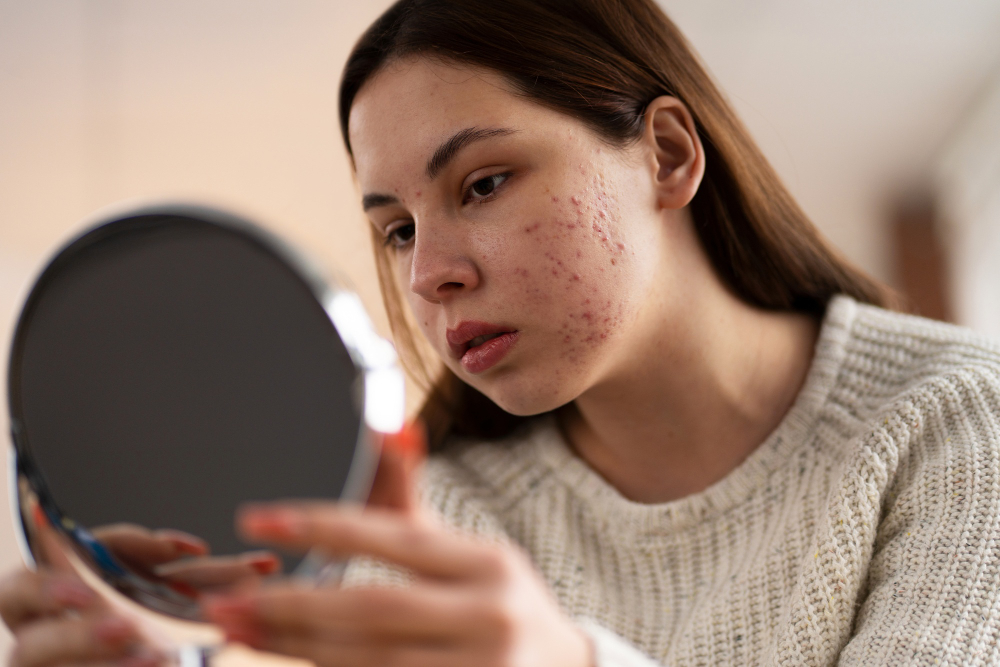
Acne is a common skin problem that affects people of all ages. It can cause pimples, blackheads, and even scars. Many people feel less confident because of acne. Thankfully, there are many acne treatment options available today. These range from simple creams to advanced therapies. In this blog, you will learn about the best acne treatments, how to treat acne, and safe acne medications. Let’s explore how you can achieve clearer skin.
What is Acne?
Acne is a skin condition that causes spots or bumps. These can appear on the face, back, chest, or shoulders. Usually, acne starts when hair follicles get clogged with oil and dead skin cells. As a result, bacteria can grow and cause swelling or redness. Acne is most common in teenagers, but adults can get it too.
Common Causes of Acne
Several factors can lead to acne. Understanding these causes can help you manage breakouts better. For example, hormones often play a big role, especially during puberty. But other things can also trigger acne:
Even though you cannot control all causes, you can take steps to reduce your risk.
Overview of Acne Treatment Options
There are many ways to treat acne. Some people need only simple creams, while others may need stronger treatments. Because everyone’s skin is different, the best acne treatments may vary. Here are the main types of acne treatment options:
Now, let’s look at each option in more detail.
Topical Treatments for Acne
Topical treatments are products you put directly on your skin. They are often the first step in how to treat acne. Many are available over the counter, while some need a doctor’s prescription. Common topical treatments include:
For mild acne, these treatments can work well. However, you should use them as directed to avoid dryness or irritation. According to the American Academy of Dermatology, topical retinoids and benzoyl peroxide are among the best acne treatments for many people.
Oral Medications for Acne
Sometimes, topical products are not enough. In these cases, doctors may suggest oral medications. These are pills you take by mouth. They can help treat moderate to severe acne. Common oral medications include:
Oral medications can be very effective, but they may have side effects. Therefore, always talk to your doctor about safe acne medications before starting any new treatment.
Advanced and In-Office Treatments
For stubborn or severe acne, advanced acne therapies may be needed. These are usually done by a dermatologist in a clinic. Some popular advanced treatments include:
These treatments can help when other options do not work. According to the American Academy of Dermatology, laser and light therapies are safe acne treatments for many people. However, results may vary, and several sessions may be needed.
Lifestyle Tips to Support Acne Treatment
Along with medical treatments, healthy habits can support clear skin. For example, you can:
These steps can help prevent new breakouts and make treatments work better.
Prevention and Maintenance
Preventing acne is not always possible, but you can lower your risk. For instance, always remove makeup before bed. Also, change pillowcases often and avoid harsh scrubbing. If you find a treatment that works, stick with it. Even after your skin clears, keep using gentle products to maintain results. Regular check-ins with your dermatologist can help you stay on track.
Conclusion
In summary, there are many acne treatment options, from simple creams to advanced therapies. The best acne treatments depend on your skin type and needs. If you struggle with acne, do not lose hope. Consult a dermatologist for personalized acne treatment recommendations. With the right care, clearer skin is possible.